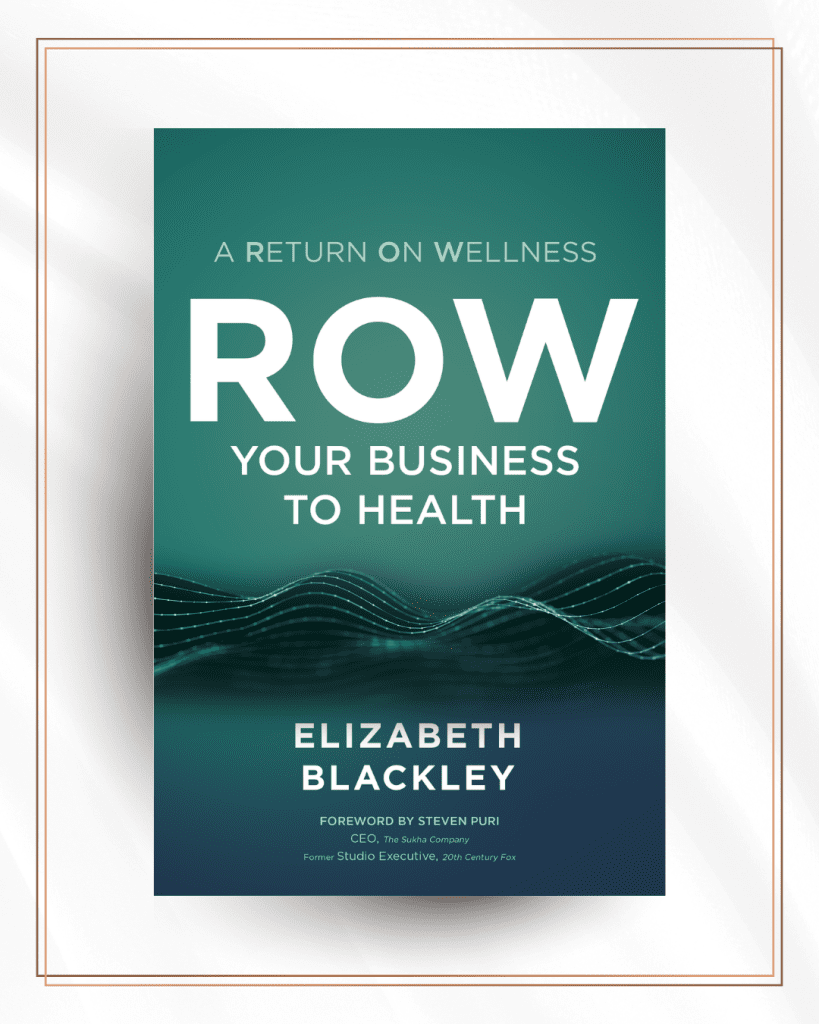
When you sit down to write, what does your creative process actually look like—from first idea to final draft?
Elizabeth: My habit is to freeflow three typed pages each day. From this practice, ideas surface that I then explore more deliberately. As my audience bridges both business and mental health, those ideas must be grounded in evidence, which leads me into research. Through that process, a central thread emerges that shapes the intent of the piece and, in the case of ROW, became the fable that prefaces the book. With that in place, an outline forms and the writing begins, guided by both structure and research. ROW felt unusually fluid, as if it was ready to be written.
Which writer was your biggest inspiration? How did they influence your book?
Elizabeth: Oscar Wilde has long been an influence, which made restraint an essential part of writing ROW. After all, clarity sometimes benefits from leaving wit at the door.
What part of the writing life do people often misunderstand?
Elizabeth: One of the things the writing life has clarified for me is how absorbing the process can be. When the flow hits, it’s worth following it wholeheartedly, while also maintaining some contact with the wider world. Perspective, pleasure, and regular meals all turn out to be surprisingly good for the work.
What was the most surprising and the most exciting part of the publishing process?
Elizabeth: This is a new experience for sure. What’s surprised me most is how thoroughly the publishing process keeps an author involved at every turn. The most exciting part, for now, is the anticipation; knowing the work is nearly ready to be shared, and that soon it will be out in the world rather than living quietly behind the scenes.
If readers could take away just one feeling or message from your work, what would you hope it is?
Elizabeth: The intention is to share information that highlights the benefits of evolving the world of work to better support the human ecosystem and improve outcomes for everyone. My hope is that it encourages both advocacy and meaningful action toward the changes needed to reduce burnout.