

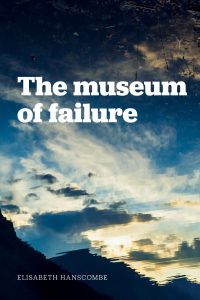
Some books don’t just tell a story – they invite you into the process of healing, reflection and self-discovery. The Museum of Failure by Elisabeth Hanscombe is exactly that kind of work. More than a memoir, it’s a layered exploration of trauma, identity and the intricate dance between pain and growth. In the review below, a fellow writer and reflective soul shares a personal response to Hanscombe’s courageous storytelling, offering insights that are both thoughtful and deeply moving.
The Museum of Failure
By Elisabeth Hanscombe
Published by Hembury Books, 2025
Elisabeth Hanscombe is both a storyteller and a psychologist, as the introduction notes, with a strong focus on the autobiographical.
I met her after one of those memorable conferences in Melbourne, which were largely attended by women. Following the event, she kindly offered me her hospitality and friendship by driving me to my friends in Box Hill.
Hanscombe records the past well, even as it presses into her present, and she shares a history shaped by a deep desire for revenge against her father.
Her Dutch immigrant parents are vividly portrayed, as is her search for a place within psychoanalysis. It was not always a happy journey, as truth-telling appears to be central to both her writing and her life.
The struggle to stay afloat and remain truthful to herself runs through all her stories. Raised by Catholic nuns and a father who had himself experienced sexual abuse and struggled with alcoholism, Hanscombe’s trauma is at the heart of her narrative.
Her long analysis and psychotherapy with Mrs. Milanova is both moving and reparative. Milanova may have been something of a mother figure to her. Hanscombe describes psychoanalysts as having “feet of clay.”
“I write now because I cannot bear the inequality of my life, my own privilege now as a white, cis-gendered adult, and the unfairness of my childhood…”
I write this review as an Anglican Franciscan brother, writer, poet, and LGBTQIA+ elder.
— Review by Nole Jeffs
This gracefully written story – Elisabeth Hanscombe’s own story – draws you in from the first page, with her frank and very honest account of her life: her childhood with its significant family trauma, and the years after as she works through the impact of those experiences. Initially, as a young woman, this is mostly done unconsciously, but then with more clarity and growing wisdom. She turns first to the religious faith of her family, then to studying social work (my own chosen profession as it happens) and later psychoanalysis, and finally creative writing. Hence this book.
She writes in a reflective way and presents her life story in a patchwork style – shifting back and forth through different periods. In fact, it struck me that this could very likely be how one might present in thoughts of undergoing psychoanalysis (something required of all those also training to be psychoanalysts). It’s not a style I’m used to, but it’s effective and adds to the honesty of her writing.
I found the psychoanalysis stuff that she focuses on now and then more interesting than I’d expected, especially her descriptions of the Melbourne psychoanalytic scene, which can be quite revealing and sadly believable. I was grateful that she doesn’t unquestionably accept the therapeutic approach or glorify it. She just talks about it from her personal perspective, plainly and in quite an informative way. I came away with plenty of new insights. However you can tell that the writing of this book has been just as powerful and growing an experience for her as her years of psychoanalysis.
If you have experienced personal trauma (particularly sexually related), be aware of some of the content, but also be assured she only touches on it now and then and with careful restraint, showing important but brief, frank images. Her focus is more on the impact of the trauma and her various paths for healing and personal growth as she’s travelled through life.
I bought two copies of this book, one as holiday reading on my Kindle (I know, not light! But still valuable reading) and a print copy for my wife who is an avid reader and works in a similar healthcare profession to me. In fact, she spotted the book on the desk before I’d a chance to give it to her – I knew she’d be interested.
Anyway, obviously highly recommended.
— Review by Steven O’Connor
The Museum of Failure doesn’t offer tidy resolutions or picture-perfect redemption – it offers truth. The kind that’s lived-in, wrestled with and ultimately transformed into art. Through the lens of someone who knows the value of reflection and honest storytelling, this review reminds us that personal history, no matter how heavy, can be worked through and turned into something meaningful.
If you’re seeking a raw yet tender narrative of survival and healing, this book is well worth the read and even worth sharing.
